There is a slender, unassuming tree that grows quietly across India, Africa, and Southeast Asia. It doesn’t look like much — wispy branches, small oval leaves, drooping seed pods. But for thousands of years, Ayurvedic healers, village elders, and traditional medicine practitioners knew something about this tree that modern science is only now beginning to fully confirm. They called it Shigru in Sanskrit. They called it the Tree of Life. Today, the world calls it Moringa — and nutritionists are calling it the most nutrient-dense plant ever studied.
What Is Moringa?
Moringa (Moringa oleifera) is a fast-growing, drought-resistant tree native to the foothills of the Himalayas in Northern India. Every single part of the tree — leaves, seeds, pods, bark, roots, and flowers — has been used medicinally and nutritionally for over 4,000 years across South Asia and Africa. Today, it is the leaves and their powdered form that have taken centre stage in the global wellness conversation — and for extraordinary reasons.
A single cup of fresh moringa leaves contains just 13 calories — yet delivers 2 grams of protein, 11 mg of Vitamin C, 39 mg of calcium, 71 mg of potassium, 79 micrograms of Vitamin A, and 1 mg of iron. And that’s just fresh leaves. Moringa powder — the dried, concentrated form — is several times more potent.
Moringa by the Numbers: Nature’s Most Complete Multivitamin
No single plant even comes close to moringa’s nutritional breadth. Here is how it stacks up against some of the most celebrated foods in the world:
- 7x more Vitamin C than oranges
- 4x more Vitamin A than carrots
- 17x more Calcium than milk
- 25x more Iron than spinach
- 15x more Potassium than bananas
- 9x more Protein than yoghurt
- 3x more Vitamin E than almonds
Moringa leaves contain over 90 nutrients and 46 antioxidants — a combination that no synthetic supplement can replicate. This is whole-food nutrition at its most extraordinary.
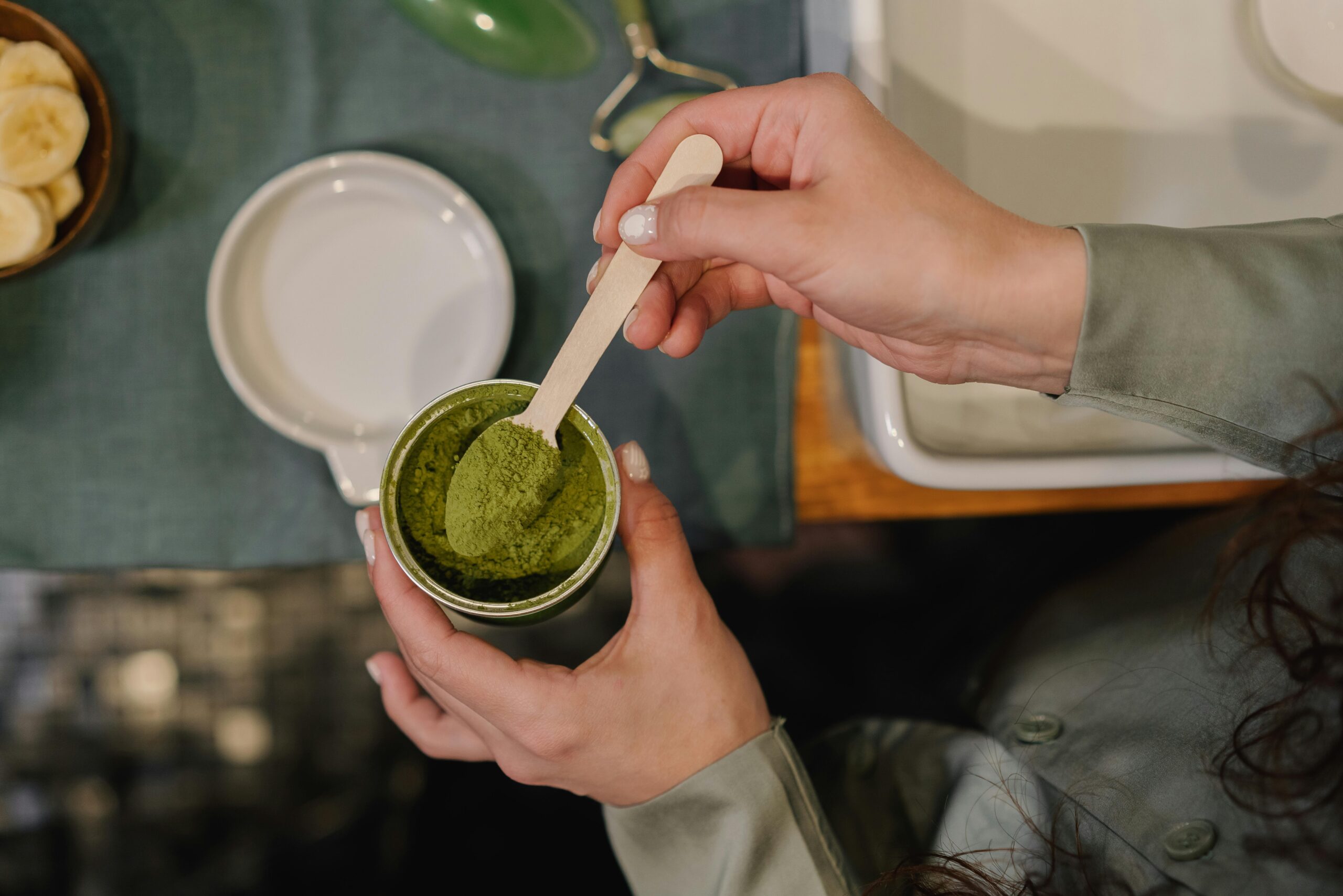
A 10g serving of moringa powder provides 2.5g protein, 2.4g fibre, 198mg calcium, 49.5mg magnesium, 4.5mg iron, and 2.3g Vitamin C. In a single teaspoon.
10 Science-Backed Health Benefits of Moringa
1. The Most Powerful Antioxidant Food on the Planet
Moringa leaves are extraordinarily rich in antioxidants — including quercetin, chlorogenic acid, beta-carotene, and Vitamin C. These compounds neutralise free radicals that damage DNA, accelerate cellular ageing, and drive chronic disease. Quercetin alone has been shown to lower blood pressure and prevent lipid oxidation — one of the primary drivers of heart disease. Chlorogenic acid helps moderate blood sugar levels after meals, making moringa an antioxidant with direct metabolic benefits.
The scale of moringa’s antioxidant capacity is not subtle — it is genuinely unmatched in the plant kingdom, making it one of the most powerful protective foods you can consume daily.
2. Fights Chronic Inflammation at the Root
Chronic inflammation is not an illness in itself — it is the underlying mechanism behind dozens of the most serious conditions humans face: cancer, diabetes, obesity, heart disease, Alzheimer’s, and arthritis. Moringa contains a unique combination of flavanols and phenolic acids — specifically isothiocyanates — that directly suppress inflammatory cytokines in the body.
Research on moringa seed extract found that its anti-inflammatory effect on tissue swelling was comparable to aspirin — without any pharmaceutical side effects. Regular consumption of moringa has been shown to reduce biological markers of inflammation measurably, making it one of the most effective natural anti-inflammatory foods available.
3. Regulates Blood Sugar and Supports Diabetes Management
Moringa’s ability to manage blood glucose is one of its most clinically studied and consistently confirmed benefits. Multiple human studies show that moringa powder significantly reduces fasting blood glucose levels in diabetic patients. The mechanism is dual — chlorogenic acid slows the absorption of sugar from the gut into the bloodstream after meals, while specific moringa bioactive compounds improve insulin sensitivity at the cellular level.
For the hundreds of millions of people managing Type 2 diabetes or pre-diabetes — particularly in India, where diabetes prevalence is among the highest in the world — moringa is a natural, food-based tool for daily blood sugar management.
4. Protects and Strengthens the Heart
Moringa supports cardiovascular health through multiple simultaneous pathways. Its quercetin content prevents lipid formation and arterial inflammation — two of the primary processes behind heart disease. Its beta-sitosterol actively reduces LDL (bad) cholesterol levels. Its potassium content — comparable to a banana per serving — helps regulate blood pressure and maintain healthy heart rhythm.
Research also shows that moringa has measurable cholesterol-lowering properties, reducing the risk of atherosclerosis and coronary artery disease with consistent dietary use. A single daily serving quietly and consistently protects one of your most vital organs.
5. Powers the Brain and Protects Against Cognitive Decline
Moringa’s antioxidants — particularly Vitamin E and Vitamin C — cross the blood-brain barrier and directly reduce oxidative stress and inflammation in brain tissue. This is significant because neuroinflammation and oxidative damage are the primary drivers of cognitive decline, memory loss, and neurodegenerative diseases like Alzheimer’s and Parkinson’s.
Early research suggests that moringa’s bioactive compounds may protect neurons from degeneration and support the production of key neurotransmitters like serotonin and dopamine — compounds that govern mood, motivation, focus, and mental clarity. Scientists are actively investigating moringa’s role in preventing dementia and supporting long-term brain health. What is already clear: a brain fed moringa daily is a brain better protected against the effects of stress and ageing.
6. Builds Bones as Powerfully as Dairy — Without the Dairy
Moringa contains 17 times more calcium than milk — making it one of the most exceptional plant-based sources of bone-building nutrition on the planet. But it doesn’t stop at calcium. Moringa also delivers magnesium, phosphorus, and Vitamin K — all of which work together to ensure calcium is actually absorbed into bone tissue rather than excreted.
This combination supports bone density, reduces the risk of osteoporosis, and maintains strong, resilient skeletal structure as we age. For vegans, vegetarians, and those with dairy intolerance, moringa is not just an alternative — it is an upgrade.
7. Combats Anaemia and Supercharges Energy
Moringa contains 25 times more iron than spinach — making it one of the most potent plant-based iron sources in existence. Iron is essential for haemoglobin production, and haemoglobin is what carries oxygen to every cell in your body. Low iron means low oxygen delivery — and low oxygen delivery means fatigue, brain fog, pale skin, poor concentration, and breathlessness.
Regular moringa consumption actively supports healthy haemoglobin levels, improves red blood cell production, and combats iron-deficiency anaemia. The Vitamin C in moringa also significantly enhances non-haeme iron absorption — meaning the iron and the absorption-booster are packaged together naturally in a single leaf. This is whole-food intelligence.
8. Transforms Skin, Hair, and Nails From Within
Moringa is a beauty powerhouse — and not in the topical, superficial sense. Its antioxidants — Vitamin C, Vitamin E, and beta-carotene — fight oxidative stress at the cellular level, slowing skin ageing, reducing inflammation-driven breakouts, and supporting collagen synthesis for firm, elastic, glowing skin.
Its antibacterial and antifungal properties protect the scalp from infections, dandruff, and follicle damage — while the iron and amino acids support active hair growth and reduce hair fall. The zinc content supports wound healing and skin repair. Moringa delivers beauty from the inside out — the way nature intended — not as an afterthought, but as a direct consequence of deep, whole-body nourishment.
9. Supports Healthy Weight and Metabolism
Moringa’s anti-inflammatory and antioxidant properties directly influence metabolic function. Research at UC Davis found that animals fed a high-fat diet alongside moringa lost weight, improved glucose tolerance, and crucially — did not develop fatty liver disease, which is increasingly common with obesity. The fibre in moringa slows digestion, promotes satiety, and reduces the urge to overeat.
Its isothiocyanates have been shown to reduce fat accumulation in cells and improve insulin sensitivity — addressing two of the core mechanisms behind weight gain. Moringa is not a “fat burning” gimmick. It is a deeply nourishing food that makes your metabolism function the way it was designed to.
10. Strengthens Immunity and Protects Against Infection
Moringa’s Vitamin C, Vitamin A, zinc, and iron work in concert to maintain a robust, responsive immune system. Vitamin A keeps the mucous membranes of the respiratory, digestive, and urinary tracts intact — your body’s first line of defence against pathogens. Vitamin C stimulates the production and activity of white blood cells. Zinc accelerates wound healing and cellular repair.
The antimicrobial properties of moringa’s bioactive compounds have been shown to inhibit the growth of harmful bacteria including E. coli and Salmonella in laboratory studies. For a body exposed to daily environmental stressors, pollution, and seasonal illness, moringa is a consistent, natural immune fortress — built from a single, whole food.
Moringa and Nursing Mothers: A Traditional Wisdom Confirmed by Science
One of moringa’s most celebrated traditional uses in India and across Asia is its role in supporting lactating mothers. Moringa is rich in calcium, iron, and galactagogue compounds — naturally occurring substances that stimulate and enhance breast milk production. The calcium enriches the milk itself, passing nutritional benefit directly to the baby. Modern research has begun to validate what generations of Indian grandmothers have always known: moringa and new mothers belong together.
Who Should Be Adding Moringa to Their Daily Routine?
The honest answer is almost everyone — but especially:
- Diabetics and pre-diabetics who need natural blood sugar regulation through diet
- People with anaemia or low energy who need the most bioavailable plant-based iron available
- Vegetarians and vegans who need complete protein, calcium, and iron from plant sources
- Women — for iron replenishment, bone health, hormonal balance, and lactation support
- Professionals and students who need sustained mental clarity, focus, and energy
- Those managing inflammation — arthritis, skin conditions, gut issues, or metabolic syndrome
- Anyone over 35 who wants to slow cellular ageing and protect long-term brain and heart health
- Fitness enthusiasts who need amino acids, iron, and anti-inflammatory support for recovery
The Evanya Organics Commitment to Moringa
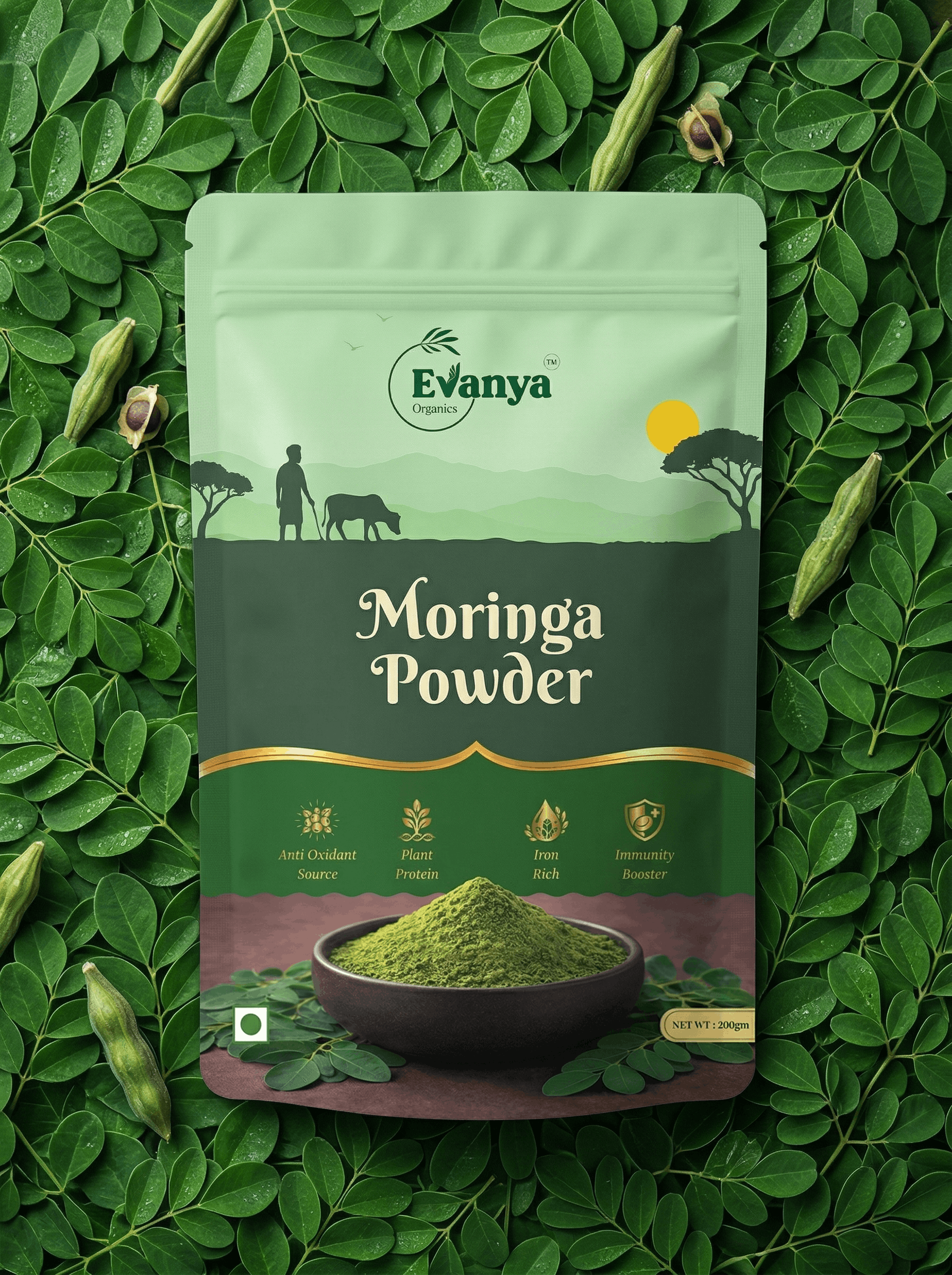
At Evanya Organics, moringa is not a trend ingredient. It is a deeply respected, ancient plant — sourced carefully, processed gently, and delivered to you with every nutrient, every antioxidant, and every bioactive compound fully intact. No fillers. No artificial colour. No flow agents. No blending with inferior plant material to cut costs.
Just moringa — pure, potent, and honest.
Because a plant this extraordinary doesn’t need anything added to it. And it certainly doesn’t deserve to have anything removed.
Nothing Added. Nothing Removed. Just moringa — exactly as nature made it.